🐟 Marine Life Center

Reef Fish

Coral reefs host nearly 25% of all marine fish species. The dazzling colors, clever behaviors, and surprising adaptations of reef fish make them endlessly fascinating for explorers of all ages.

1Species Now
25%of Marine Fish Live on Reefs
GrowingMore Species Coming
Reef Ecosystems

The fish that build and maintain the reef

Reef fish are not just beautiful decorations — they are the workers that keep coral reefs alive. Parrotfish scrape algae off coral and produce sand. Cleaner wrasse remove parasites from larger fish. Damselfish farm their own algae patches. Every species plays a role in keeping the reef balanced and healthy.

✨ Did You Know?

Parrotfish produce most of the white sandy beaches you love — they grind coral rock while eating algae and excrete it as sand.

Some reef fish are hermaphrodites, capable of changing sex when their role in the social group requires it.

The fastest reef fish can accelerate from zero to 60 km/h in under a second to escape predators.

🐠
Species Count
Almost 4,000 on reefs
🌈
Colors
Often for communication
🏠
Habitat
Coral reef microhabitats
🔄
Diet
Algae, plankton & coral
🤲
Role
Reef health engineers
📅
Evolution
400 million years
Species Guide

Reef fish of Tide Breaker Island

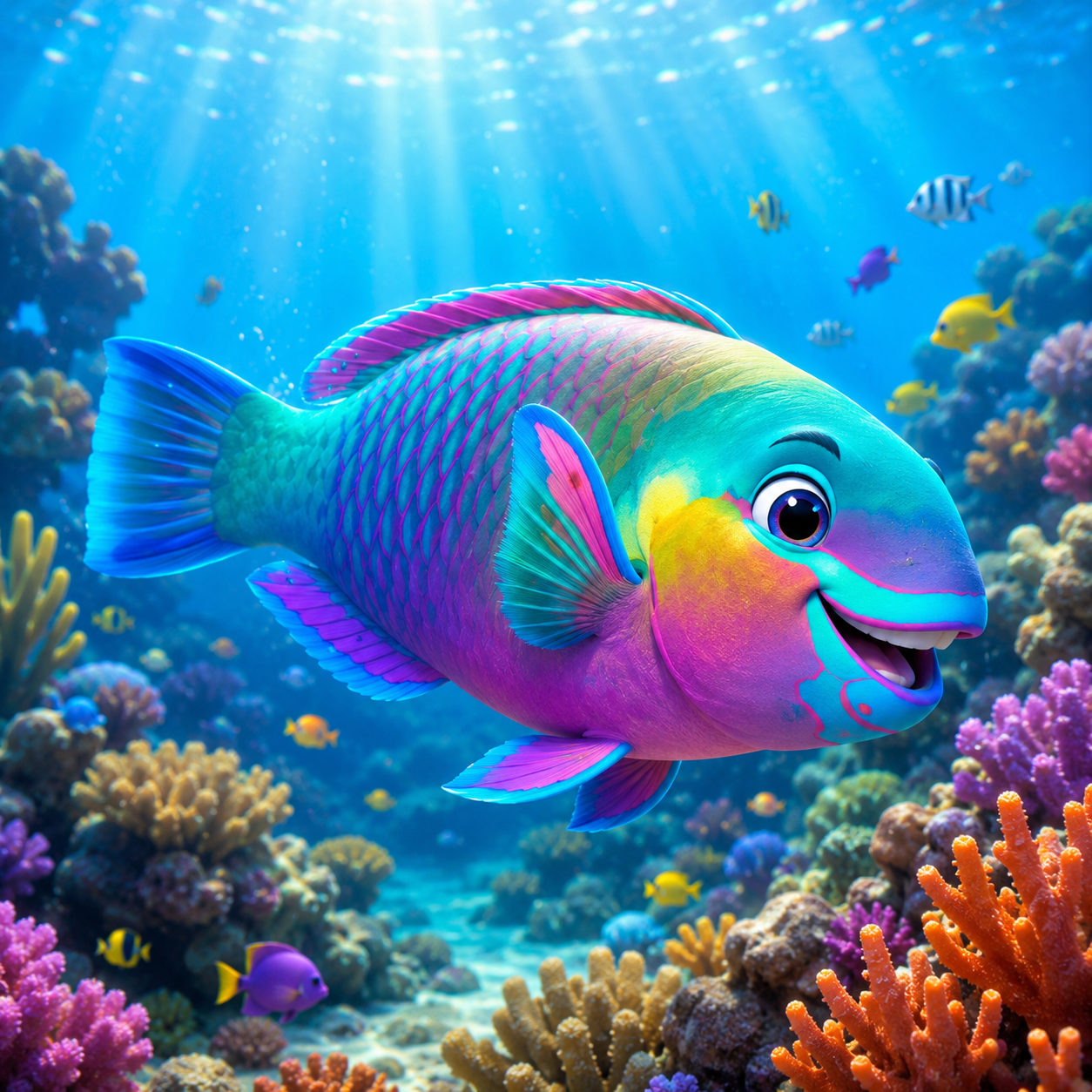
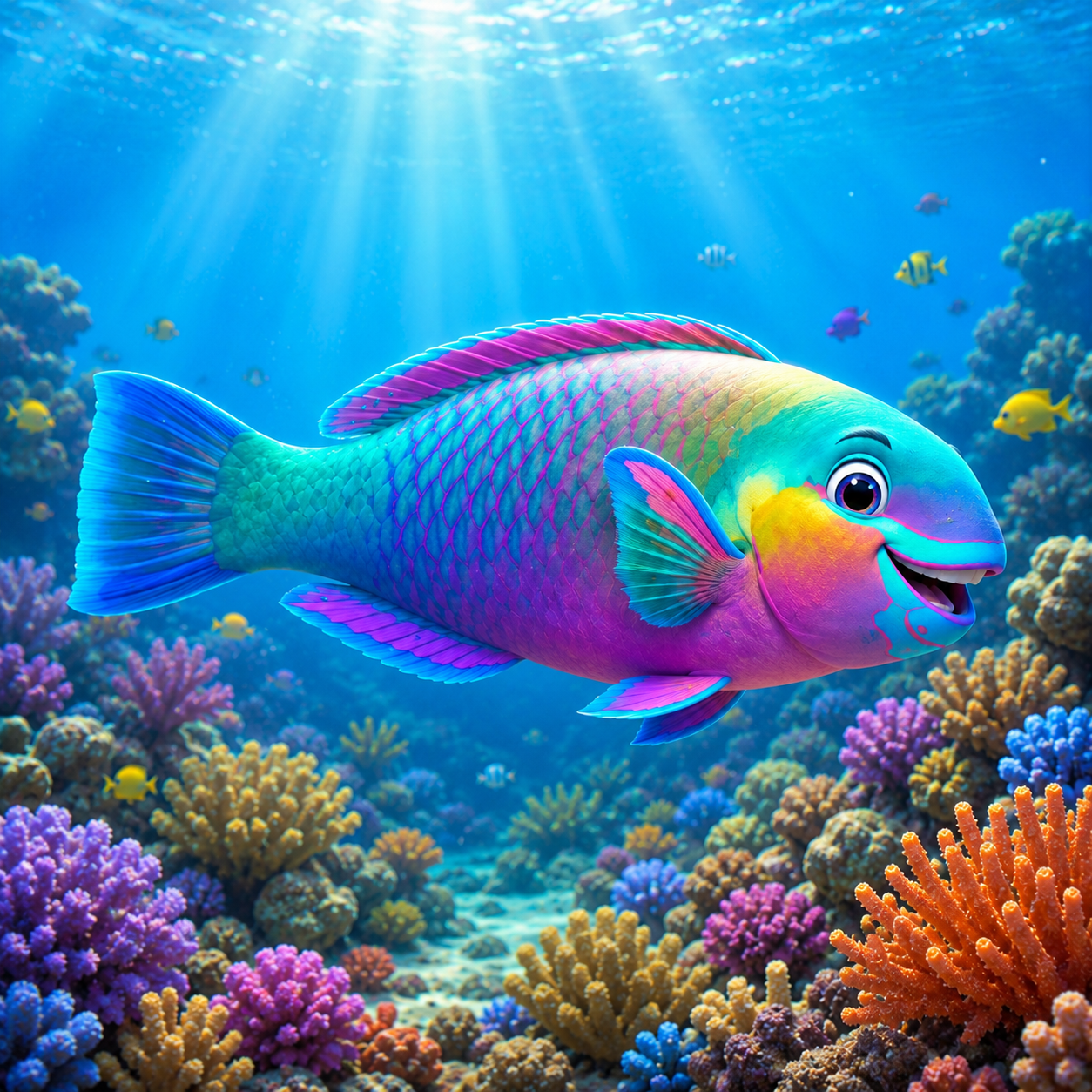
Parrotfish front view Parrotfish side profile
Reef Fish

Parrotfish

  • One of the most colorful and important fish on the reef — a true ecosystem engineer.
  • Uses its beak-like fused teeth (shaped like a parrot's beak) to scrape algae off coral.
  • Produces up to 450 kg of white sandy sediment per year as it digests coral rock — making beaches!
  • Many species can change color and sex, starting as female and becoming male later in life.
Length30–130 cm
WeightUp to 20 kg
HabitatCoral reefs
DietAlgae & coral
Growing Collection

More reef fish coming soon

The reef fish collection is just getting started. New species including clownfish, surgeonfish, angelfish, triggerfish, and grouper are being added with each new season of Tide Breaker Island. Check back soon!

← Back to Marine Life Center