🦈 Marine Life Center

Sharks

Sharks have patrolled our oceans for over 450 million years — long before dinosaurs roamed the earth. Meet the 8 shark species of Tide Breaker Island, including Leo's own family.

8Species Profiled
500+Known Species
450MYears on Earth
Meet Leo's Family

Why every shark matters

Sharks are apex predators that keep ocean ecosystems balanced and healthy. Without them, prey fish populations grow too large, upsetting the entire food web. Many shark species are now vulnerable or endangered due to overfishing and habitat loss — which is why every adventure with Leo helps kids understand why these animals deserve our respect and protection.

✨ Did You Know?

Sharks do not have bones — their entire skeleton is made of cartilage, the same flexible tissue in your ears and nose.

A shark can shed and regrow thousands of teeth throughout its lifetime — some species lose a tooth every week!

Sharks can detect electrical fields produced by the heartbeats of other animals through organs called ampullae of Lorenzini.

🦷
Skeleton
100% Cartilage
🦷
Teeth
Regrow Throughout Life
🌊
Breathing
Gills (No Lungs)
💡
Electroreception
Ampullae of Lorenzini
📅
On Earth Since
~450 Million Years
🔭
Species Known
Over 500
Species Guide

8 sharks of Tide Breaker Island

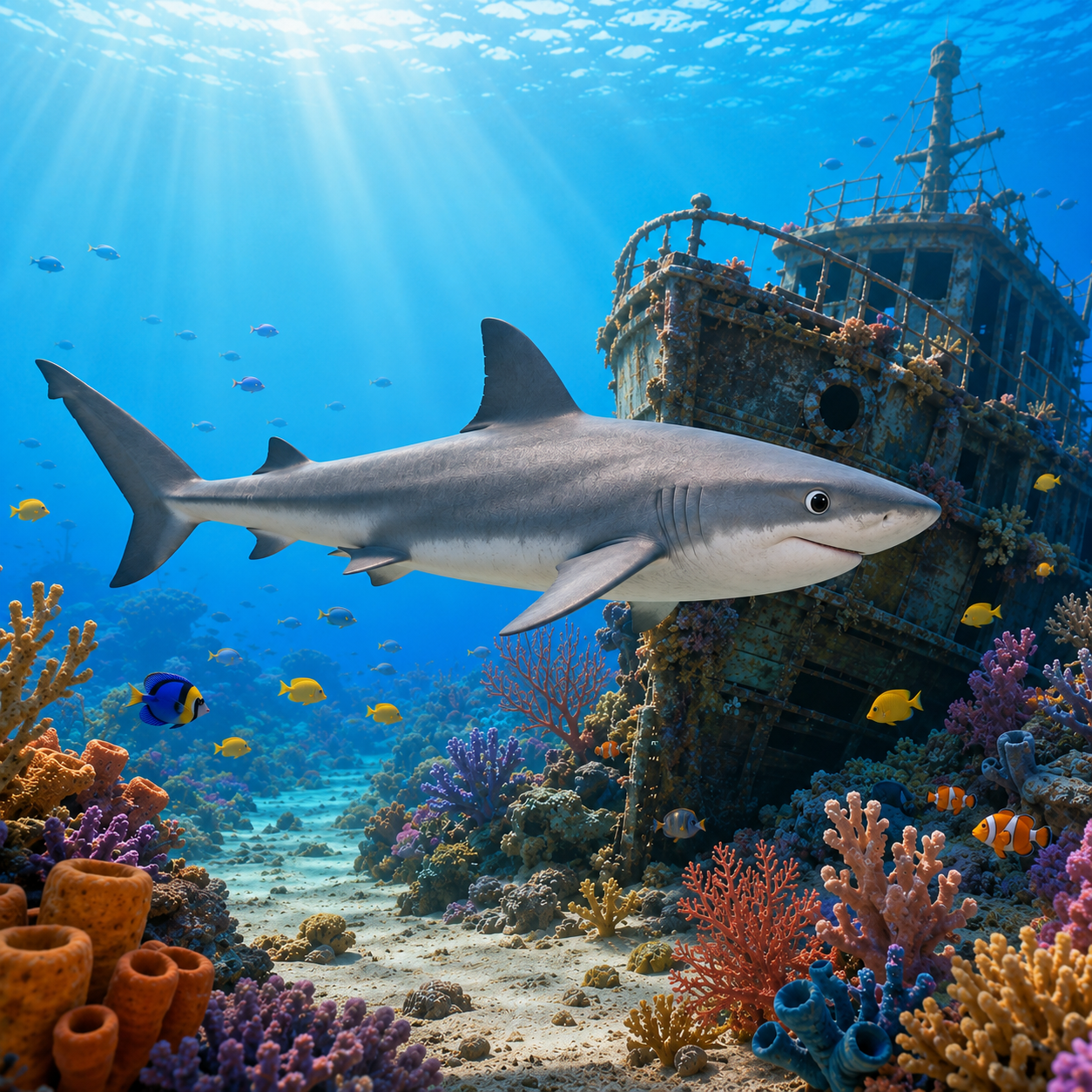
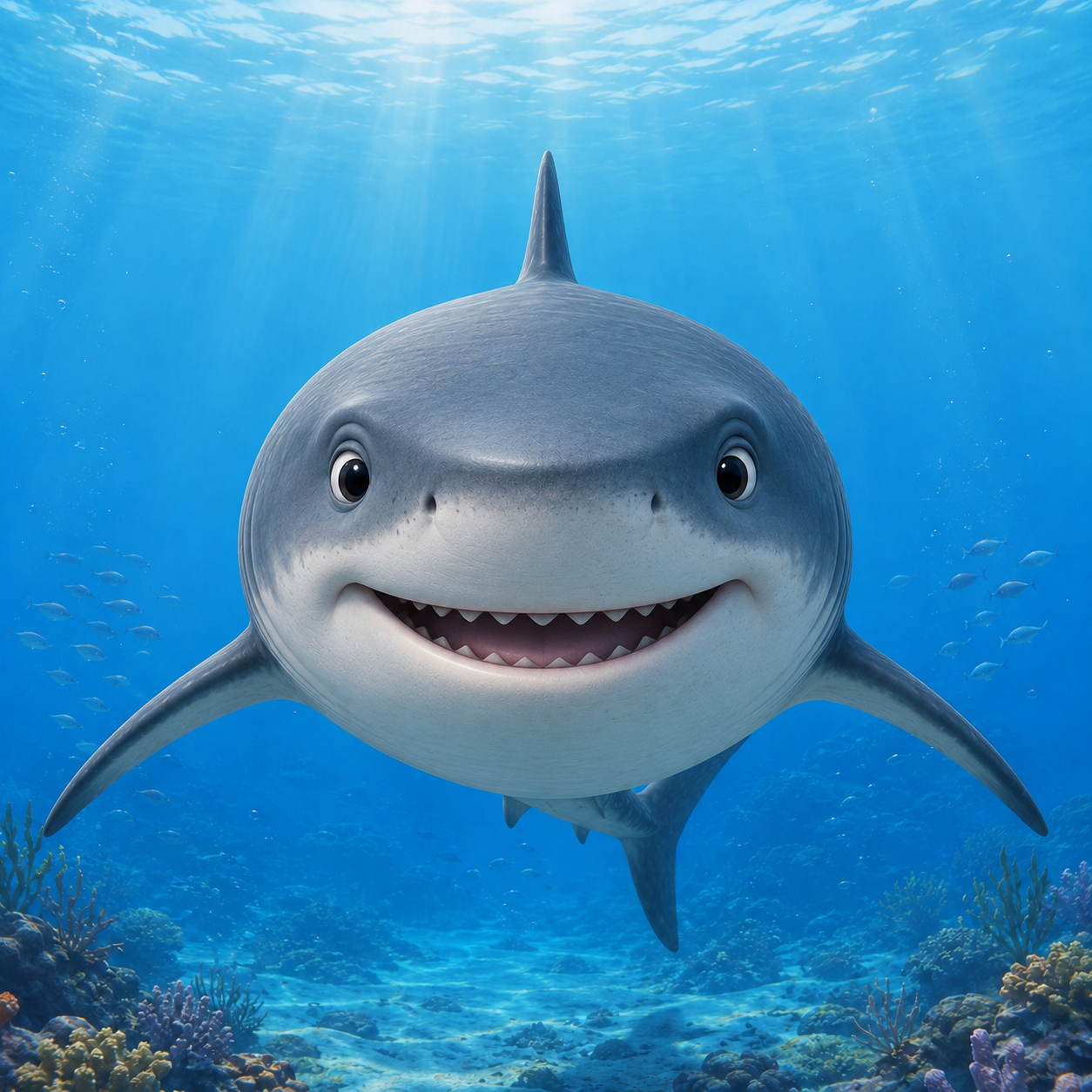
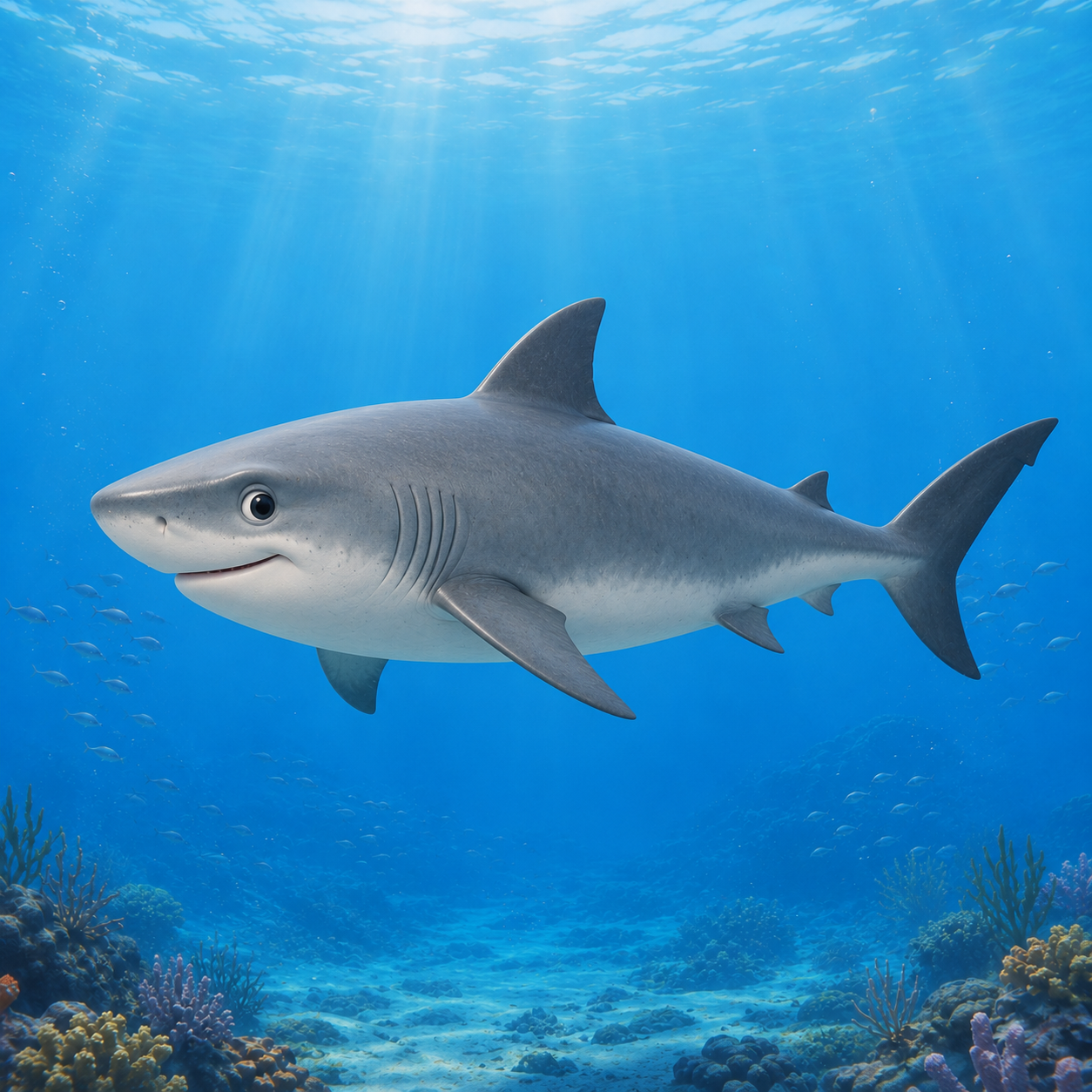
Great White Shark front view Great White Shark side profile
Shark

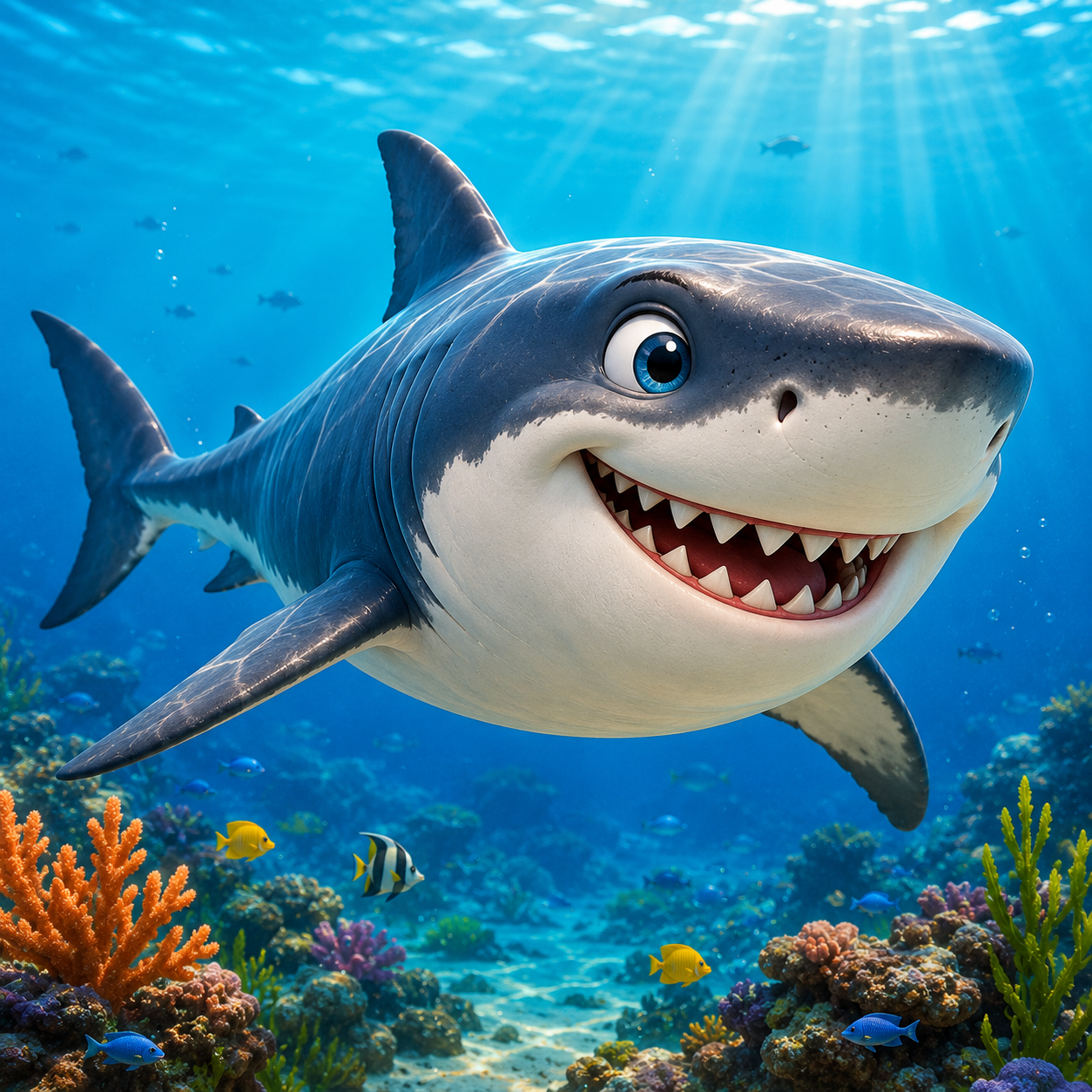
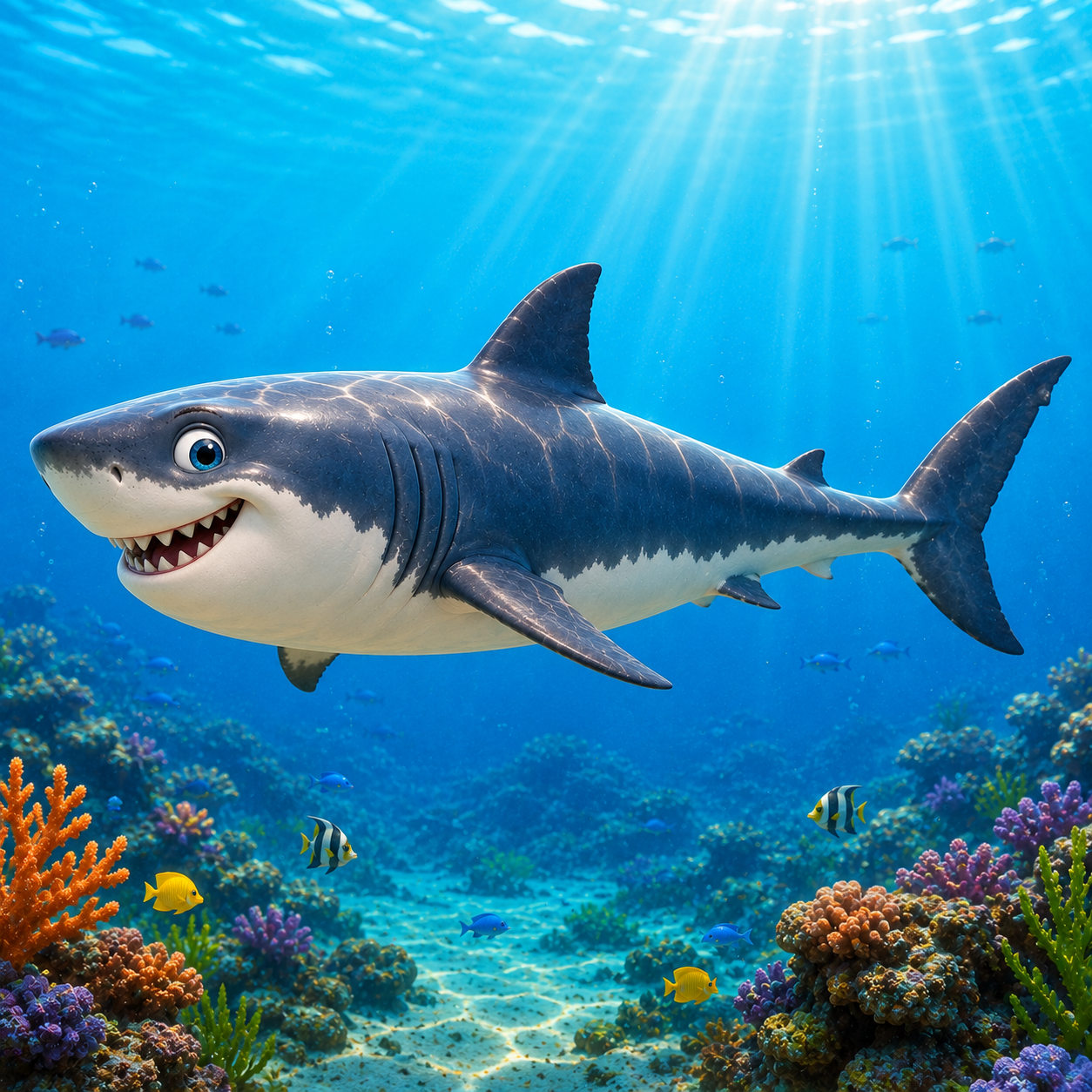
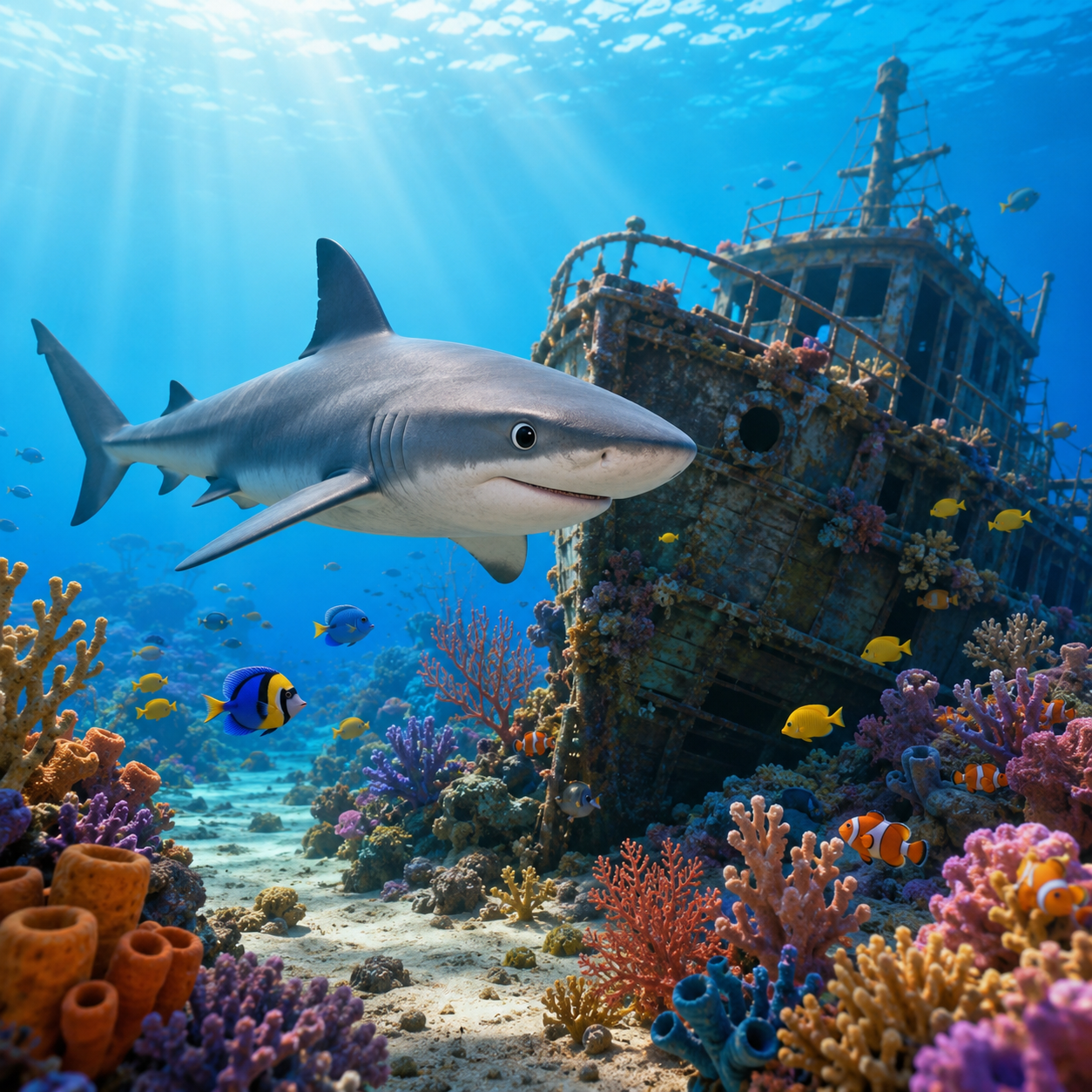
Great White Shark

  • The most famous shark in the world — powerful, fast, and a vital apex predator.
  • Can detect a single drop of blood dissolved in 100 liters of water.
  • Warm-bodied unlike most fish — can raise body temperature to hunt efficiently in cold water.
  • Despite their reputation, great whites rarely target humans.
LengthUp to 6 m
WeightUp to 2,200 kg
HabitatCool coastal waters
StatusVulnerable
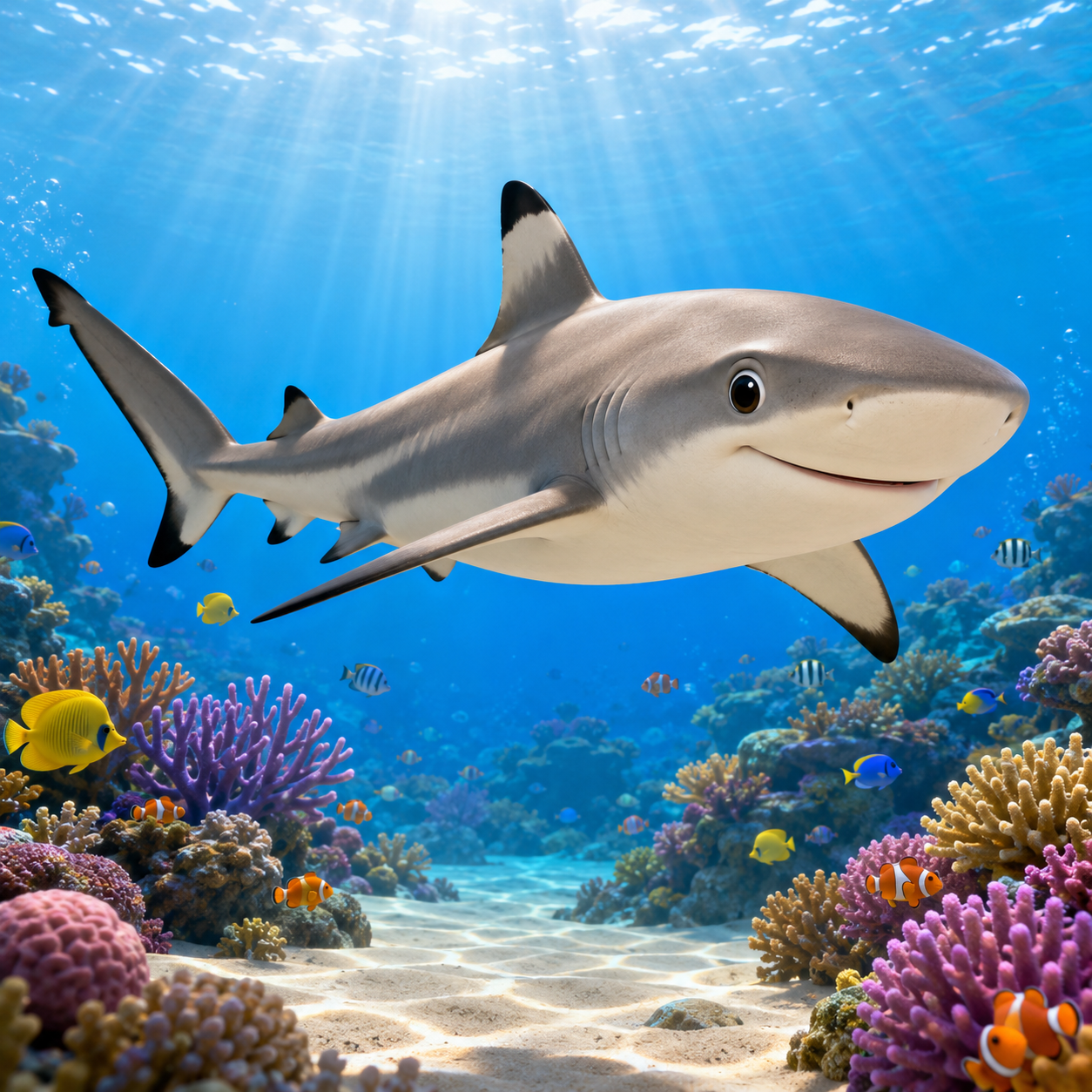
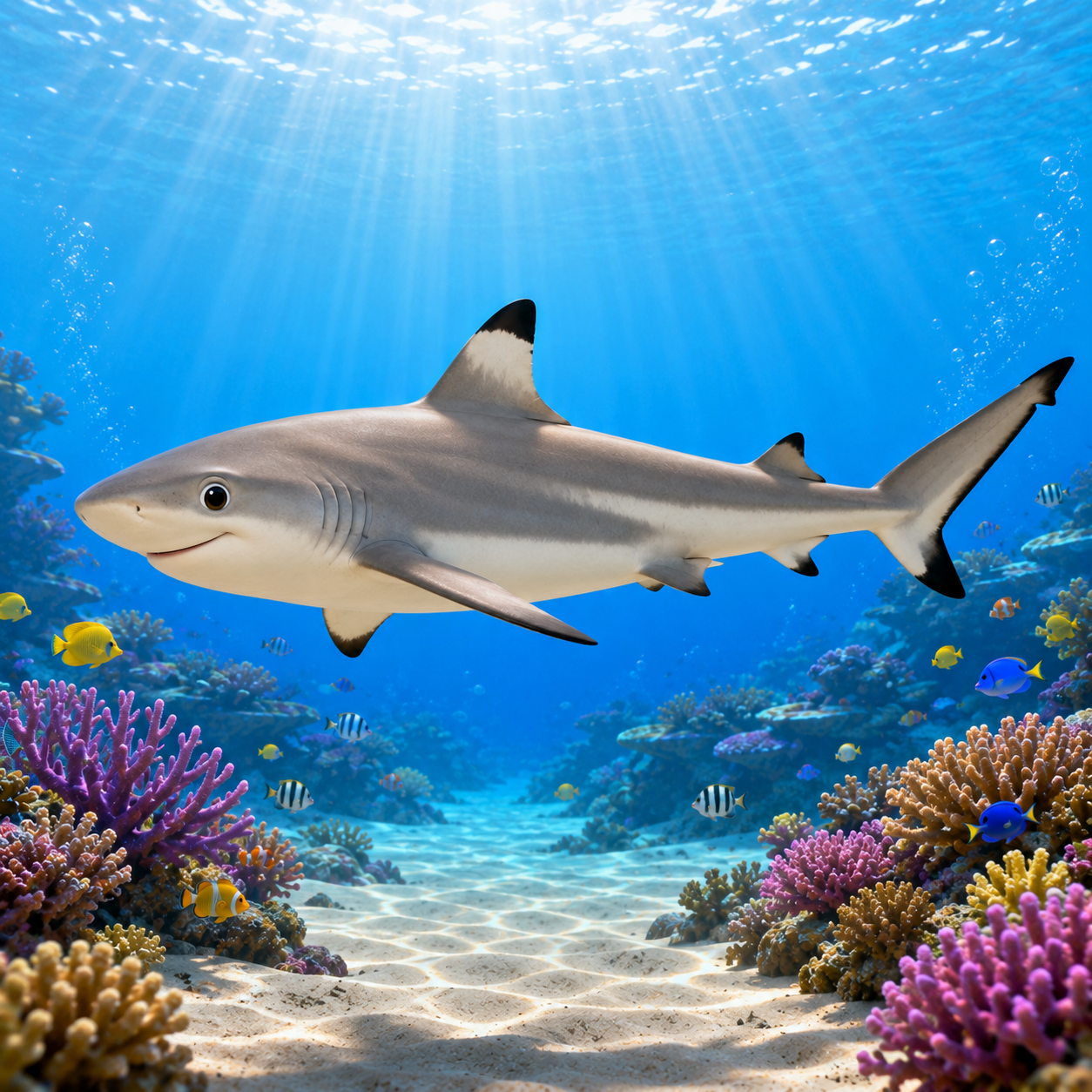
Blacktip Reef Shark front view Blacktip Reef Shark side profile
Shark

Blacktip Reef Shark

  • Recognized by black-tipped fins — a common sight on shallow tropical reefs.
  • Fast and agile, often seen chasing fish in water only inches deep near the shoreline.
  • Plays a key role in keeping reef fish populations balanced and healthy.
  • One of the most frequently encountered sharks by snorkelers and divers worldwide.
LengthUp to 1.6 m
WeightUp to 30 kg
HabitatCoral reefs
StatusNear Threatened
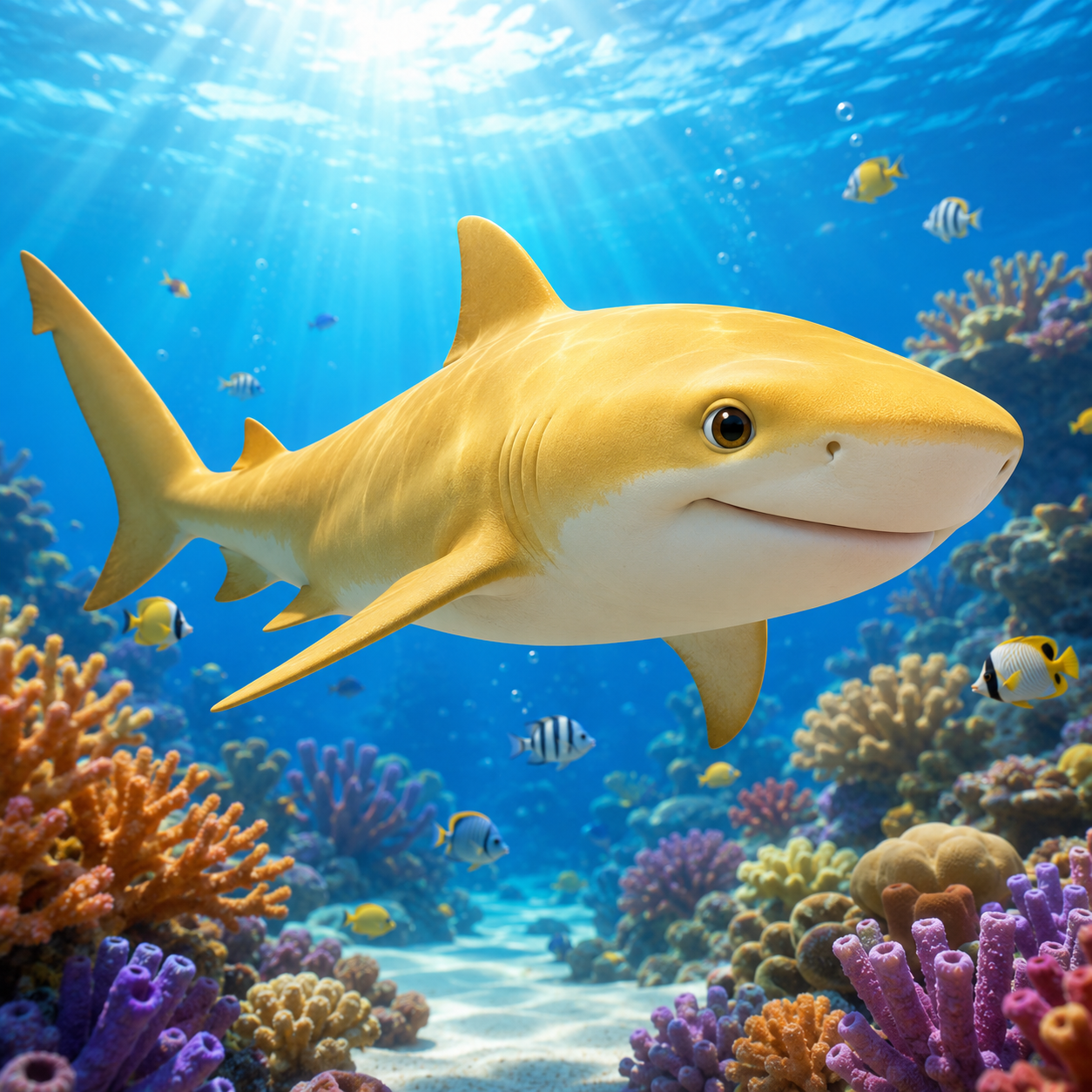
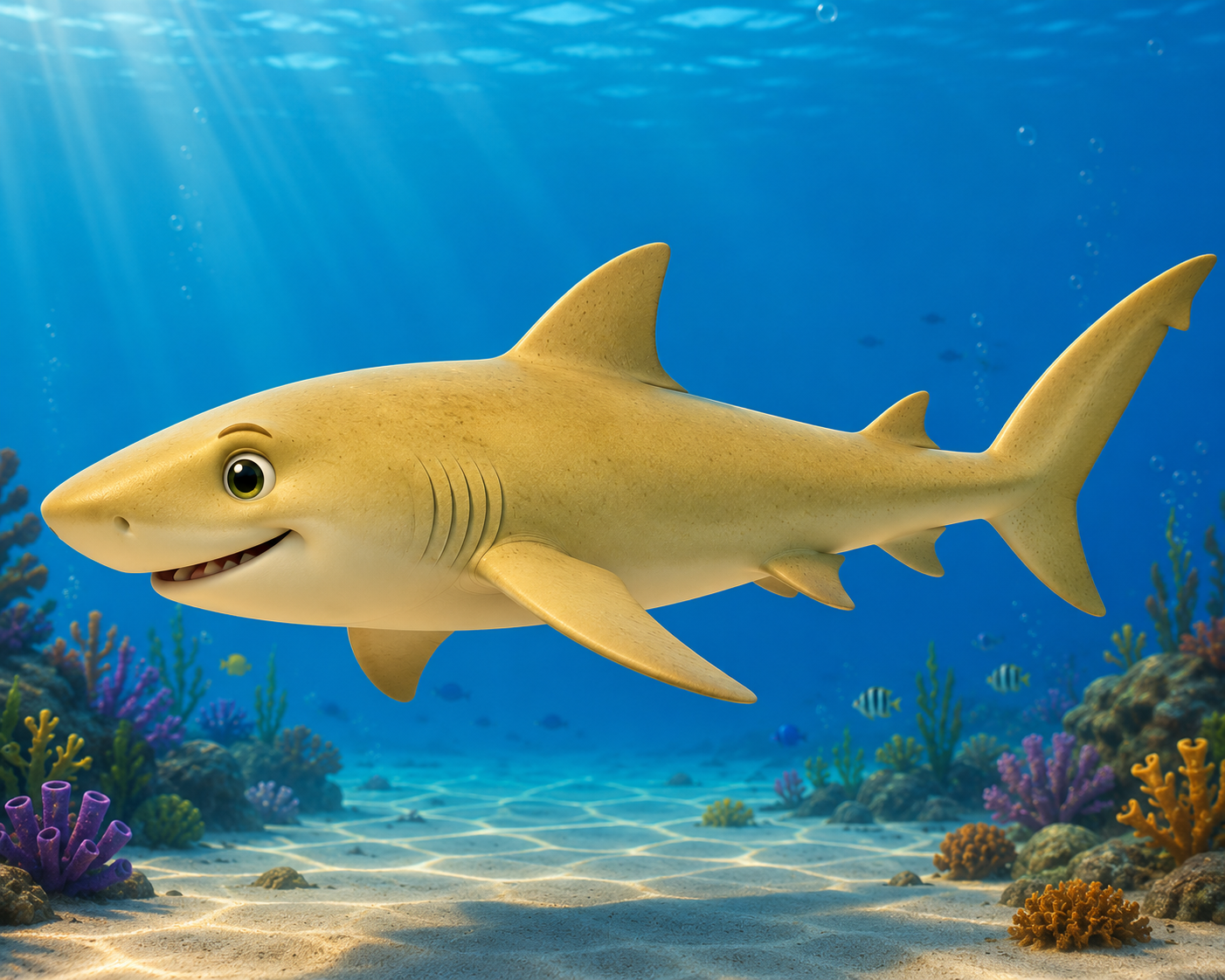
Lemon Shark front view Lemon Shark side profile
Shark

Lemon Shark

  • Named for their yellowish-brown skin that helps them blend into sandy seafloors.
  • Young lemon sharks shelter in mangrove nurseries — just like Leo on Tide Breaker Island!
  • Return to their birth nursery to give birth to their own pups.
  • Use ampullae of Lorenzini — special pores — to sense electrical fields of hidden prey.
Length2.4–3 m
Weight90–180 kg
HabitatShallow coastal
StatusNear Threatened
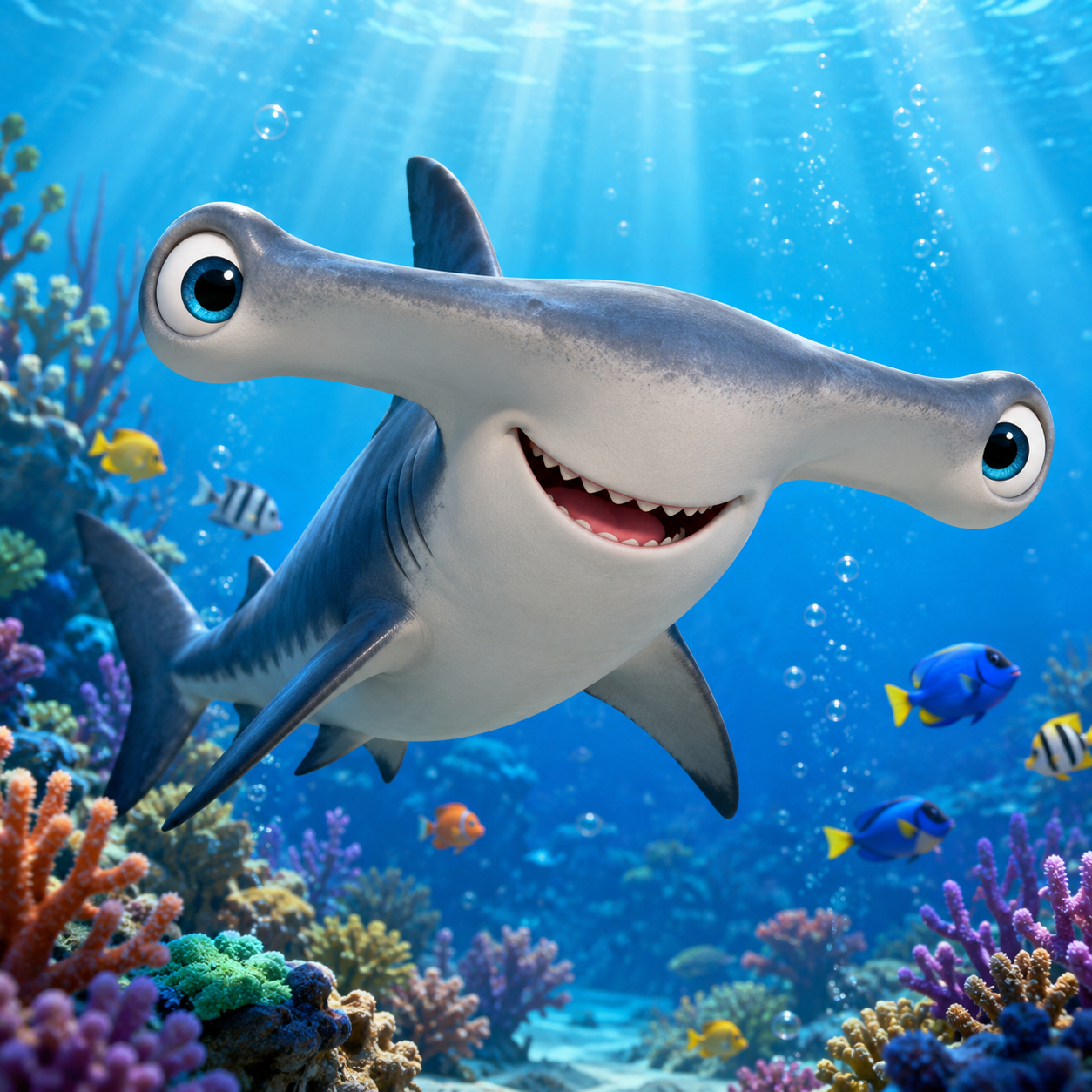
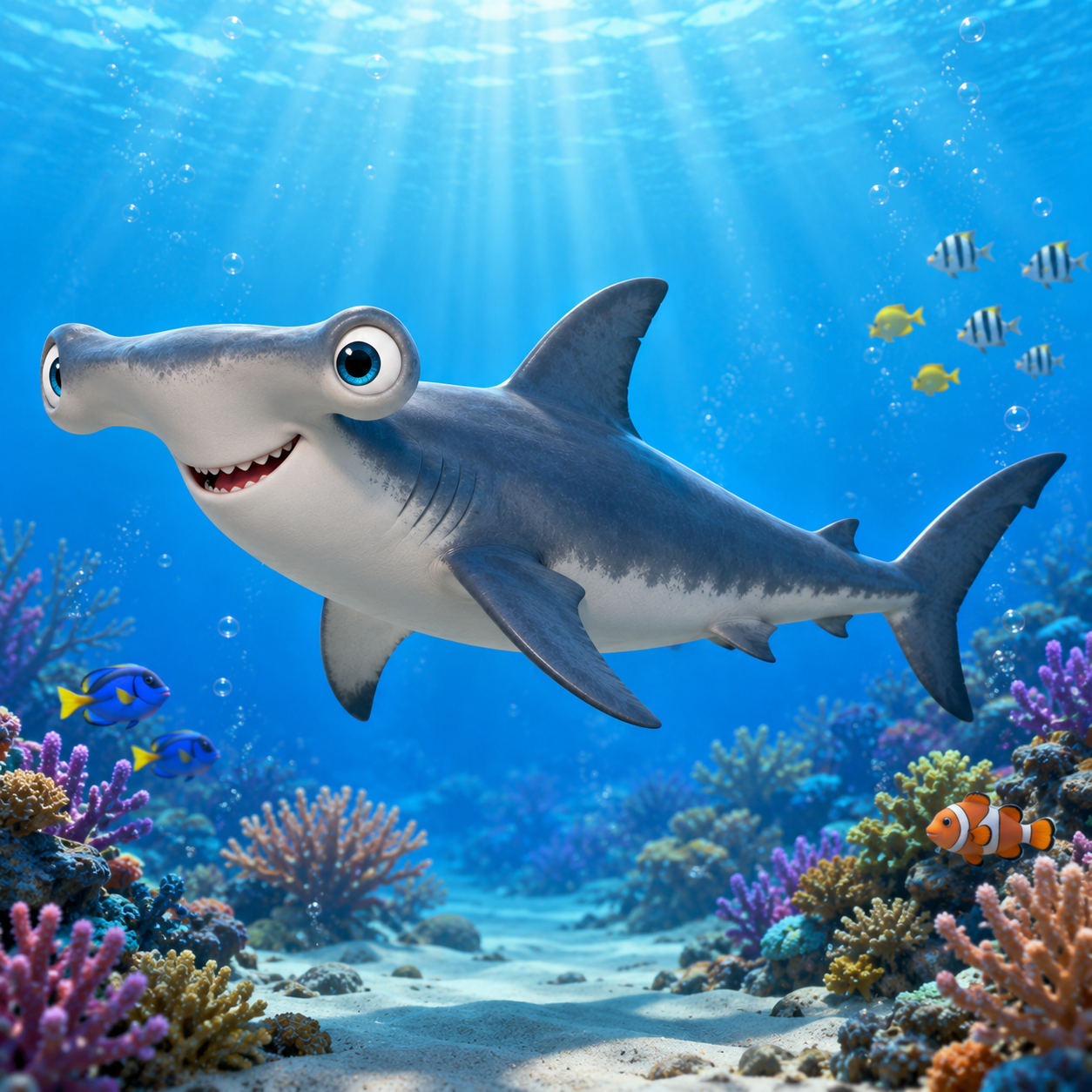
Hammerhead Shark front view Hammerhead Shark side profile
Shark

Hammerhead Shark

  • The wide flat head gives them exceptional 360-degree vertical vision.
  • Electroreceptors spread across the hammer help detect prey buried in sand.
  • Highly social — travel in large schools of hundreds by day, hunt solo at night.
  • Several species are critically endangered due to overfishing for their fins.
Length3–6 m
WeightUp to 580 kg
HabitatWarm coastal waters
StatusCritically Endangered
Blacktip Shark front view Blacktip Shark side profile
Shark

Blacktip Shark

  • Larger than the blacktip reef shark, found in open coastal and offshore waters.
  • Famous for spinning leaps out of the water while chasing schools of fish.
  • Can travel thousands of miles during seasonal migrations following prey.
  • Often seen in large aggregations in warm shallow bays during winter months.
LengthUp to 2.8 m
WeightUp to 123 kg
HabitatCoastal & offshore
StatusNear Threatened
Bull Shark front view Bull Shark side profile
Shark

Bull Shark

  • One of the only sharks that can survive in both salt water and fresh water.
  • Has been found thousands of miles up rivers including the Amazon and Mississippi.
  • Stocky, powerful build — considered one of the most adaptable shark species.
  • Plays a critical role as an apex predator in estuaries, rivers, and coastal reefs.
LengthUp to 3.4 m
WeightUp to 315 kg
HabitatCoastal & freshwater
StatusNear Threatened
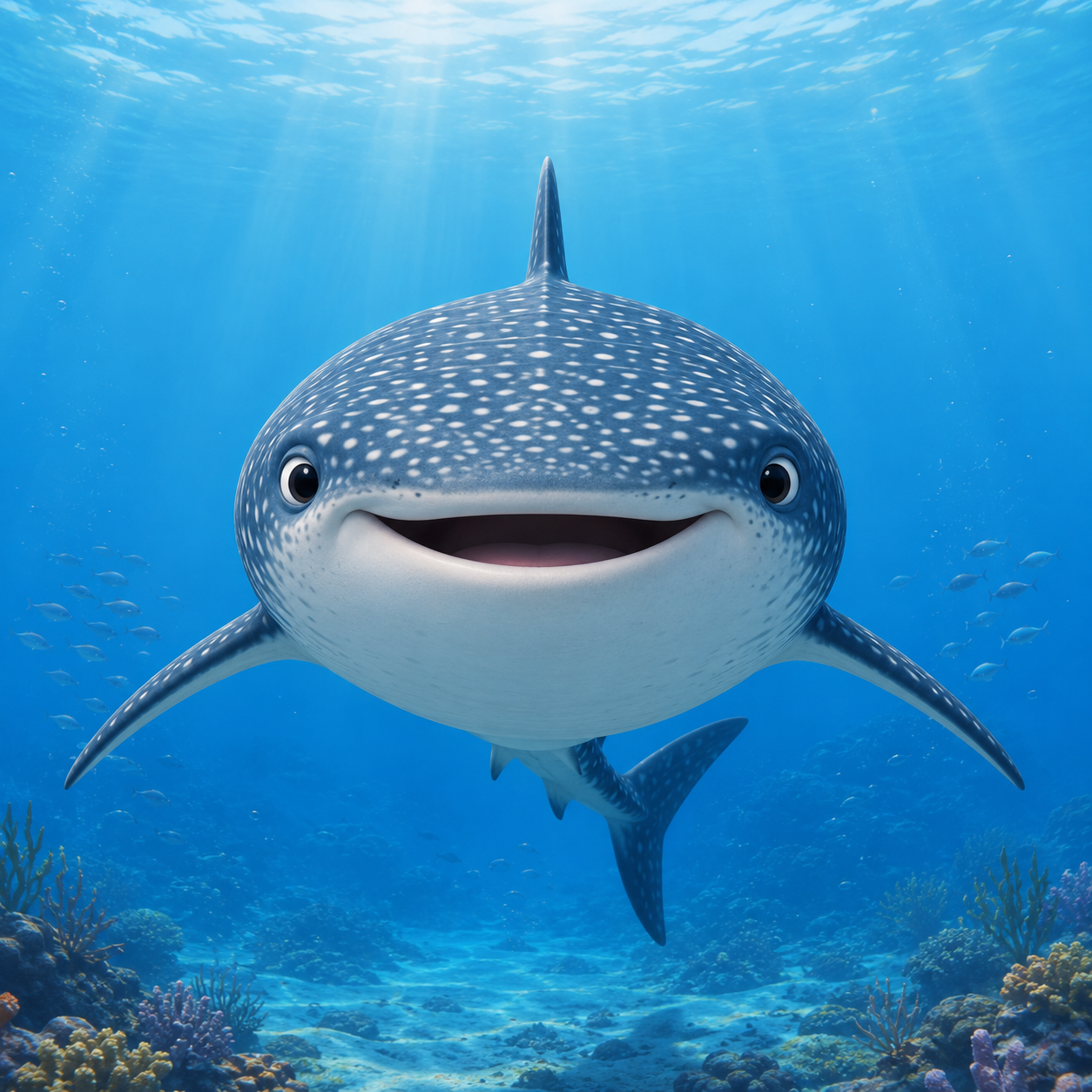
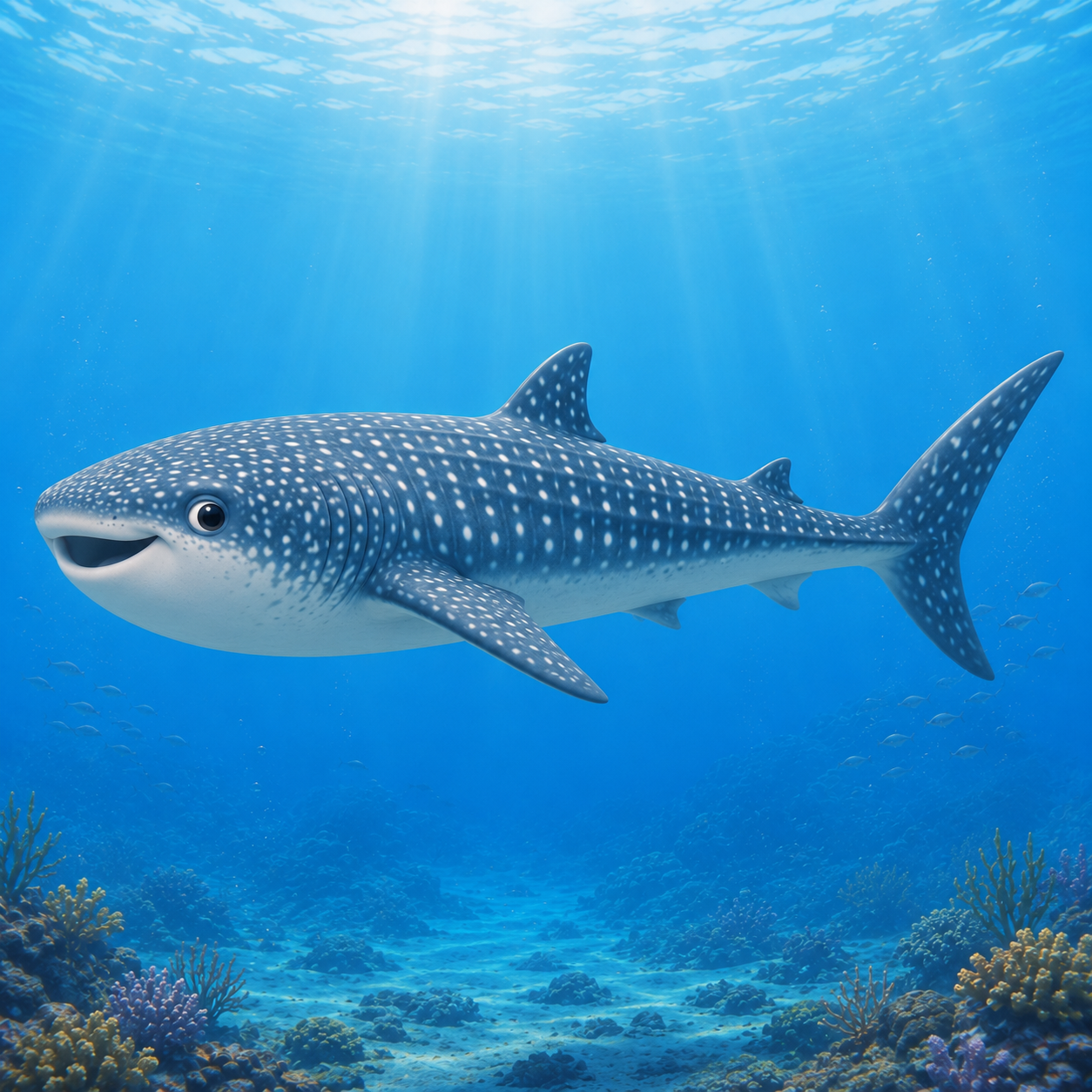
Whale Shark front view Whale Shark side profile
Shark

Whale Shark

  • The largest fish in the ocean — gentle giants that feed only on tiny plankton.
  • Can live for over 100 years and travel thousands of miles across open oceans.
  • Each whale shark has a unique spot pattern — like a fingerprint — used to identify individuals.
  • Swim with open mouths filtering enormous volumes of water through comb-like gill rakers.
LengthUp to 12 m
WeightUp to 20,000 kg
HabitatWarm open oceans
StatusEndangered
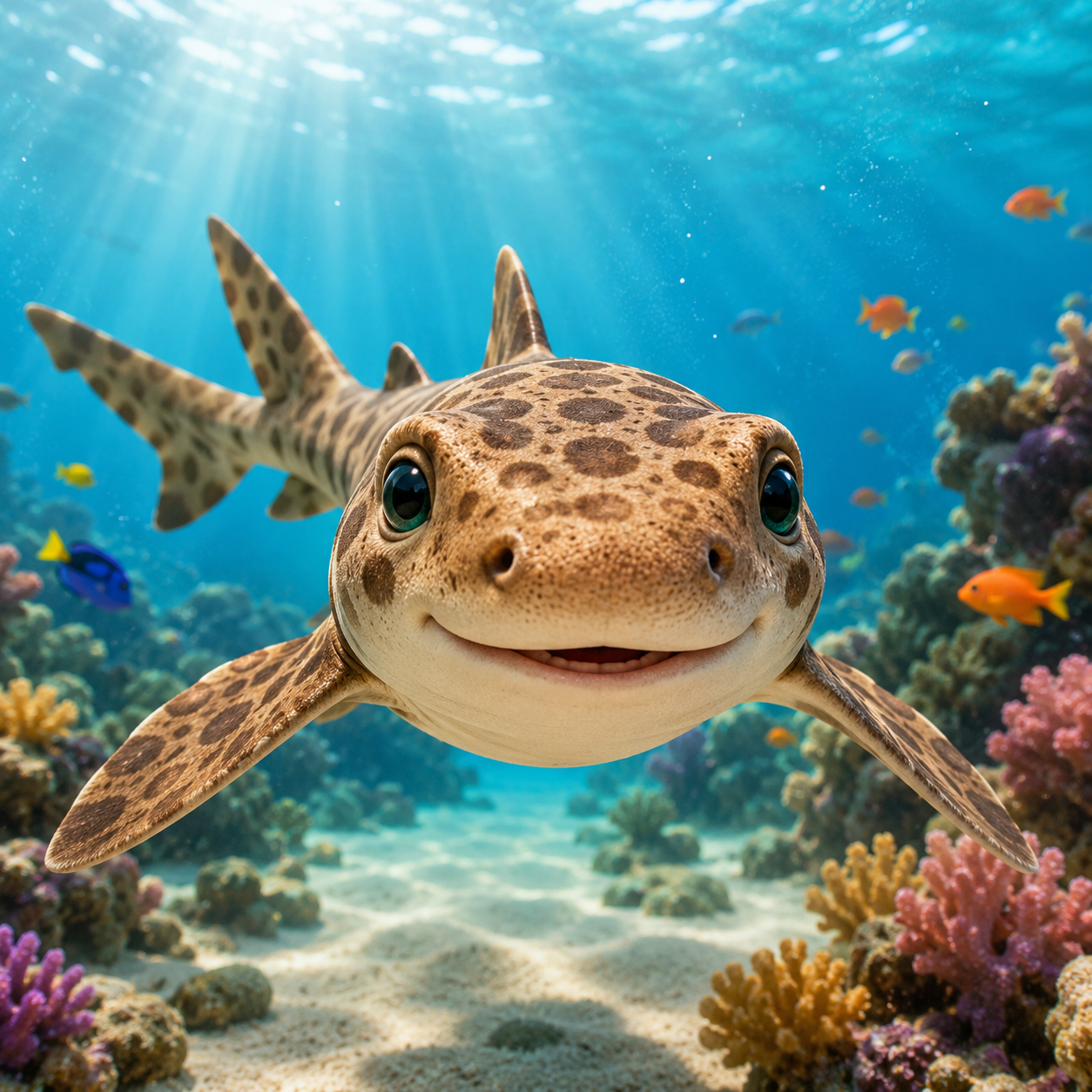
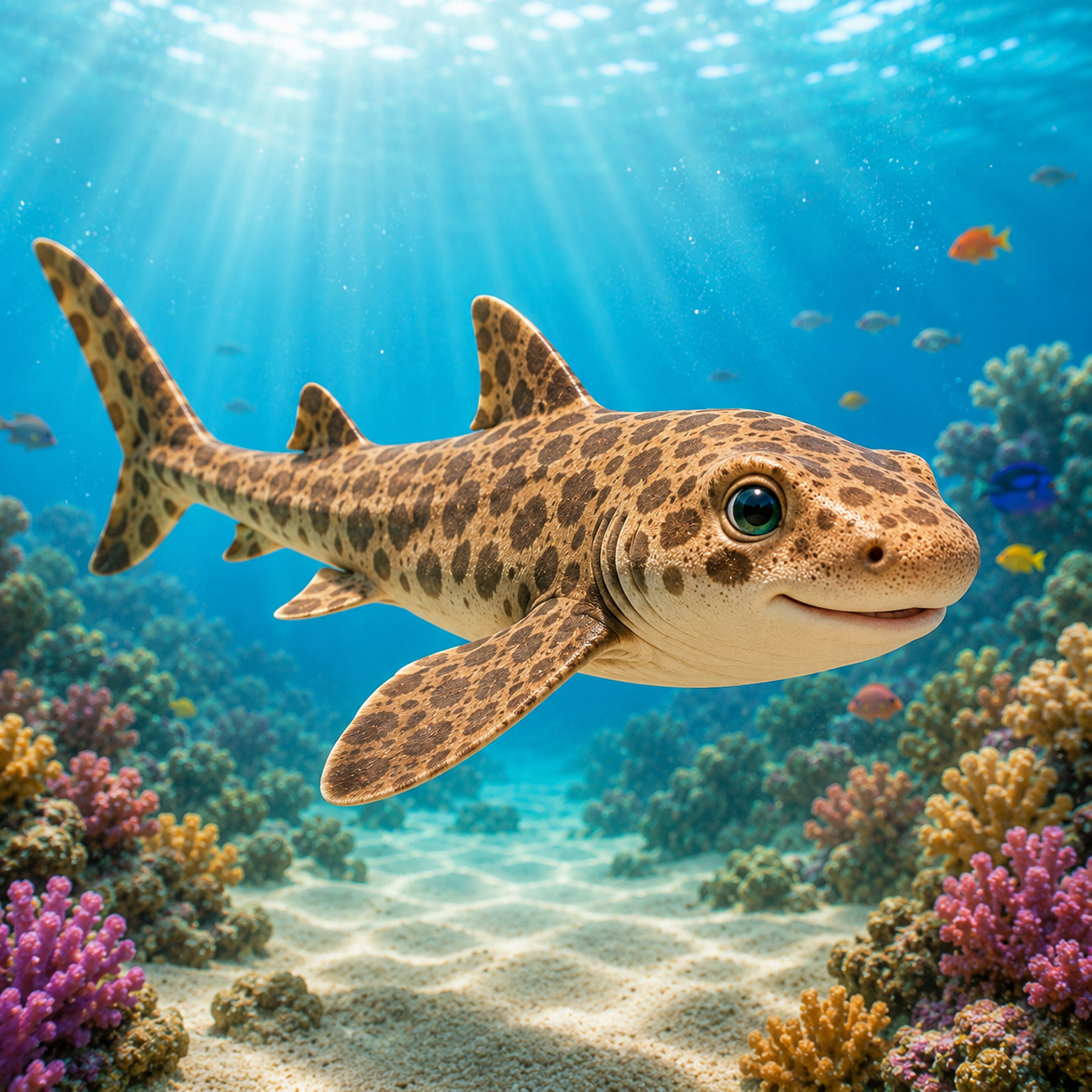
Catshark front view Catshark side profile
Shark

Catshark

  • Small, beautifully patterned sharks typically under 1 meter long.
  • Named for their elongated cat-like eyes adapted for low-light seafloor hunting.
  • Many species lay egg cases called "mermaid's purses" that wash up on beaches.
  • Often found resting on rocky reef floors and in kelp forests.
LengthUp to 1 m
Weight1–3 kg
HabitatRocky reefs & seafloor
StatusLeast Concern